The Kohinoor: The Diamond That Outlived Empires
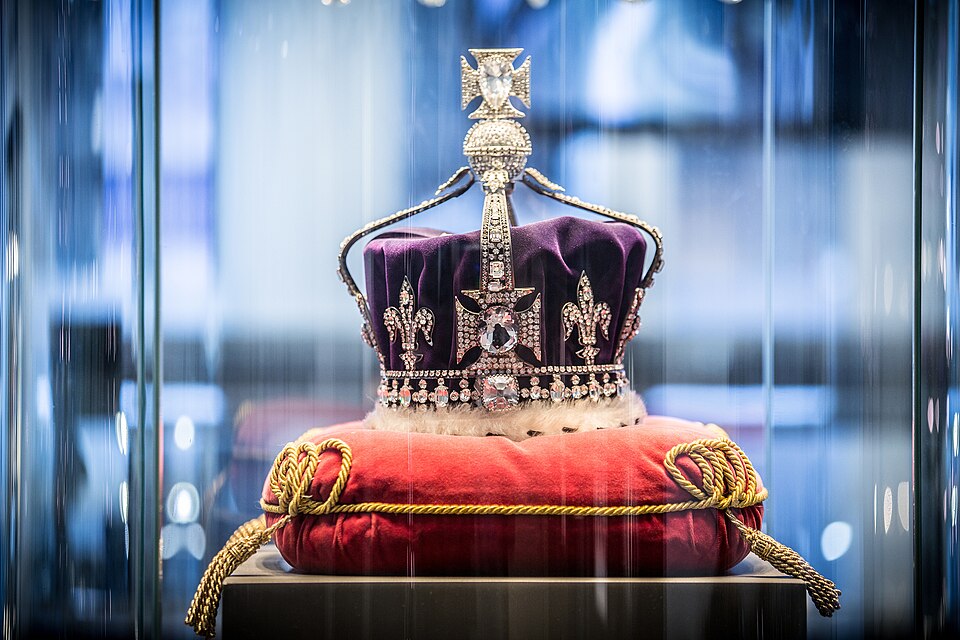
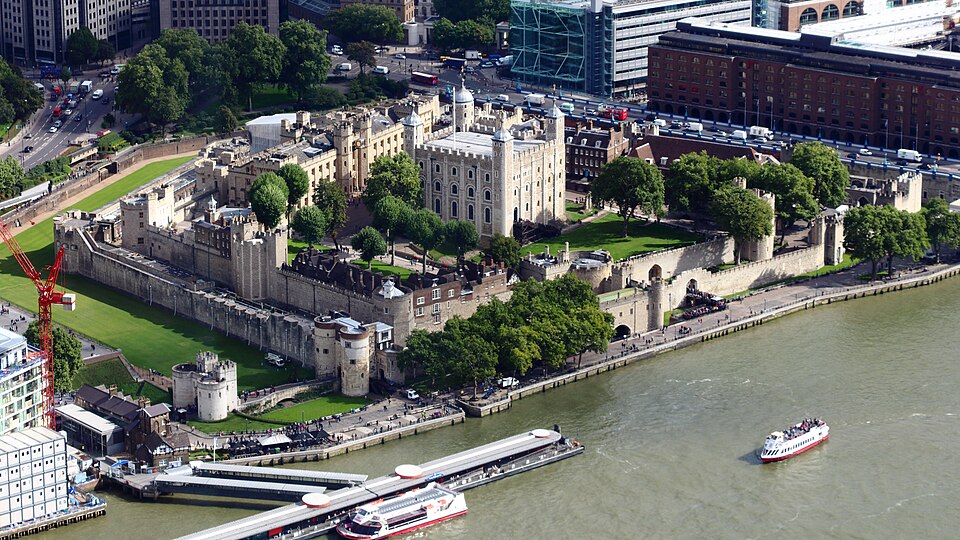
It weighs 105.6 carats — about as much as a small egg — and it has been owned by Mughal emperors, a Persian conqueror, Afghan kings, a Sikh maharaja, and the British Crown. It has been stolen, gifted, surrendered under a treaty, cut down by nearly half, and worn by queens. Four countries claim it today, and nobody agrees on where it was first found. The Kohinoor — Persian for "Mountain of Light" — is the most famous diamond in the world, not because it is the biggest, and not because it is the most valuable, but because its story is the story of empires: how they rose, how they fell, and what happened to their treasure when they did. This site tells that story in eleven chapters, from the diamond mines of southern India to the Jewel House at the Tower of London.
Start here
Five numbers tell the story. The diamond weighs 105.6 carats today (21.12 grams), but it was about 186 carats when it arrived in Britain — the 1852 recut removed almost half its weight to make it sparkle. It was probably found in the Golconda mines of southern India between 1100 and 1300, though nobody can prove exactly when or where. It changed hands by conquest at least four times: taken by Nadir Shah of Persia in 1739, given to Maharaja Ranjit Singh in 1813, and surrendered to Queen Victoria in 1849 under the Last Treaty of Lahore. And it has spent the last 175 years in London, set in a crown made in 1937 for Queen Elizabeth the Queen Mother, on display in the Tower of London — claimed by India, Pakistan, Afghanistan, and Iran.
Origins and empires
- Origins and Early History — the mines of Golconda, and why nobody knows for certain where the diamond was found.
- The Mughal Era — Babur, the Peacock Throne, and two centuries as the jewel of the Mughal emperors.
- Nadir Shah and Persia — the sack of Delhi in 1739, and how the diamond got its name.
- The Sikh Empire — Ranjit Singh, the Lion of Punjab, and the diamond as a symbol of sovereignty.
Britain and the Tower
- The British Acquisition — the Treaty of Lahore, a ten-year-old maharaja, and the voyage to London.
- The Tower of London — the recut of 1852, four queens' crowns, and the Jewel House.
- The Curse and Legends — the stone that is said to bring bad luck to men, and the stories around it.
- Ownership Controversy — four countries claim it; Britain says the 1849 treaty settled it.
Today and beyond
- The Kohinoor Today — where it is, how to see it, and what happened at the 2023 coronation.
- Famous Diamonds Compared — the Cullinan, the Hope, the Darya-i-Noor, and the Orlov, side by side.
- Legacy and Symbolism — why a single stone still matters, and what it has come to mean.
What this site will not do
Kohinoor Decoded is general information for curious readers, not advice for any specific purpose — it will not tell you who the diamond belongs to, because that question is disputed and no court or government has settled it. It takes no side in the ownership argument: it reports what India, Pakistan, Afghanistan, Iran, and Britain each say, and leaves the question open. It recommends no products, carries no affiliate links, and never collects your email address. Where the evidence is uncertain — above all in the diamond's early history — the guides say so, and name the competing accounts instead of picking one. Where a story is a legend, the guides call it a legend.
All facts on this site were checked against the sources named on each page on 29 November 2026. The early history of the Kohinoor is disputed, and each guide says where the evidence is uncertain or historians disagree.
Sources: This site's facts come from reference sources named on each page: Wikipedia, Encyclopaedia Britannica, World History Encyclopedia, the Indian Express, The Hindu, and Firstpost.