Nadir Shah and Persia: The Sack of Delhi and the Mountain of Light
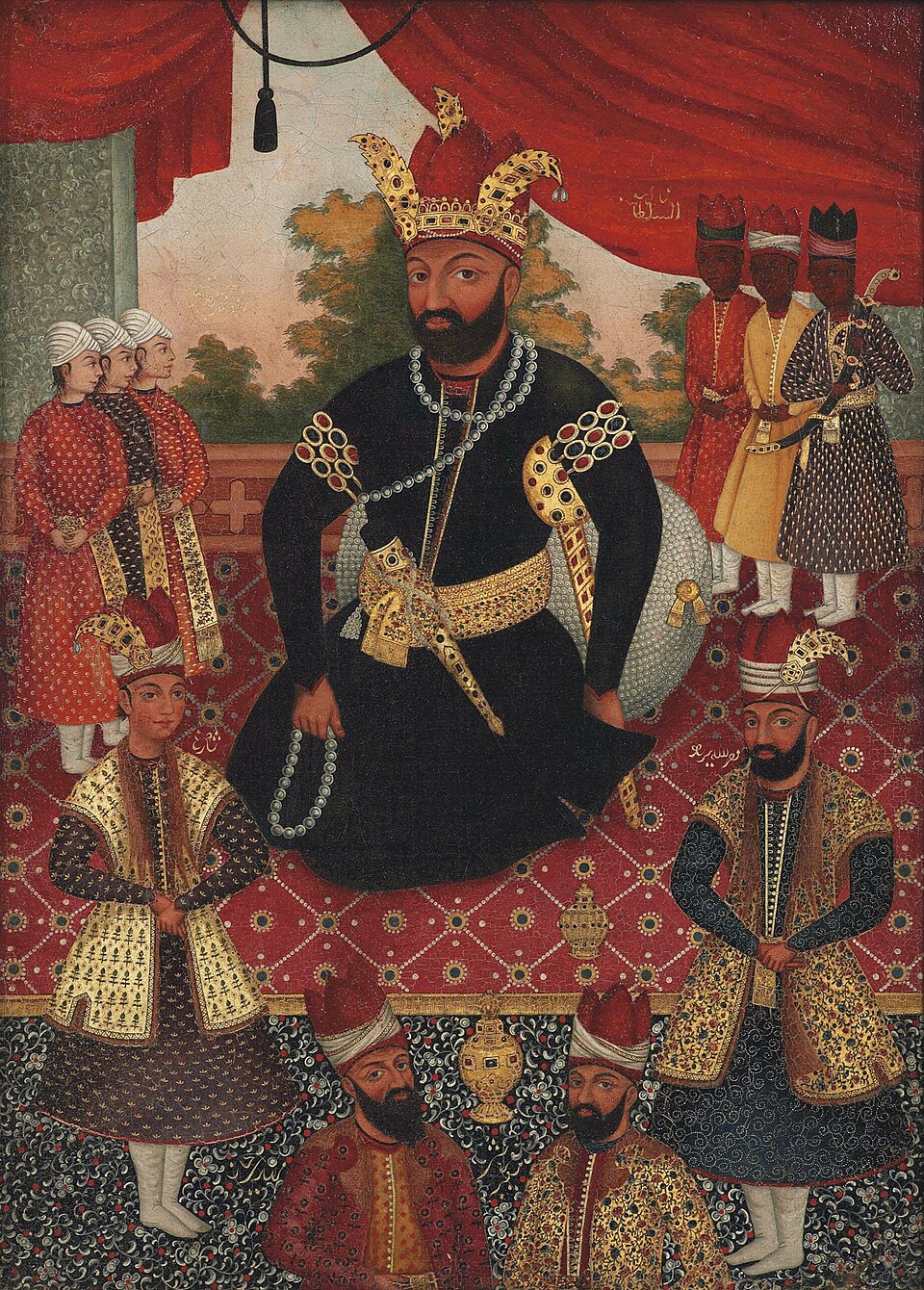
In the spring of 1739, the richest city in the world was looted for seven weeks. Nadir Shah of Persia — a shepherd's son who had made himself the most feared conqueror in Asia — defeated the Mughal emperor at the Battle of Karnal, marched into Delhi, and stripped the treasury of eight generations of emperors. He took the Peacock Throne, he took the crown jewels, and he took the Kohinoor. Legend says he gave the diamond its name, crying out "Mountain of Light" when he first saw it. Whether or not he said those words, the name stuck — and the stone has been called the Koh-i-Noor ever since.
In short
Nadir Shah invaded the Mughal Empire in 1739, defeated Emperor Muhammad Shah at the Battle of Karnal in February, and entered Delhi in March. His army sacked the city for weeks, killing tens of thousands of people, and carried off the Peacock Throne and the Mughal treasury, including the Kohinoor. The diamond is said to have been named "Koh-i-Noor" — Persian for "Mountain of Light" — by Nadir Shah himself when he first saw it. He took it back to Persia, where it stayed until his assassination in 1747, when it passed to his general Ahmad Shah Durrani.
The conqueror from Persia
Nadir Shah was born in 1688, the son of a shepherd in the mountains of north-eastern Persia, and he rose through the army of the crumbling Safavid dynasty to become its effective ruler, then its king. He was a military genius of the first order: in a decade of campaigning he reconquered Persia's lost provinces, defeated the Ottomans, and built an army that combined Persian cavalry, Afghan infantry, and modern artillery. He was also ruthless, suspicious, and increasingly cruel as he grew older. By 1739 he was the most powerful ruler in western Asia, and he had his eye on the richest prize of all: the Mughal Empire, which was rich, weak, and ruled by an emperor who preferred poetry to politics.
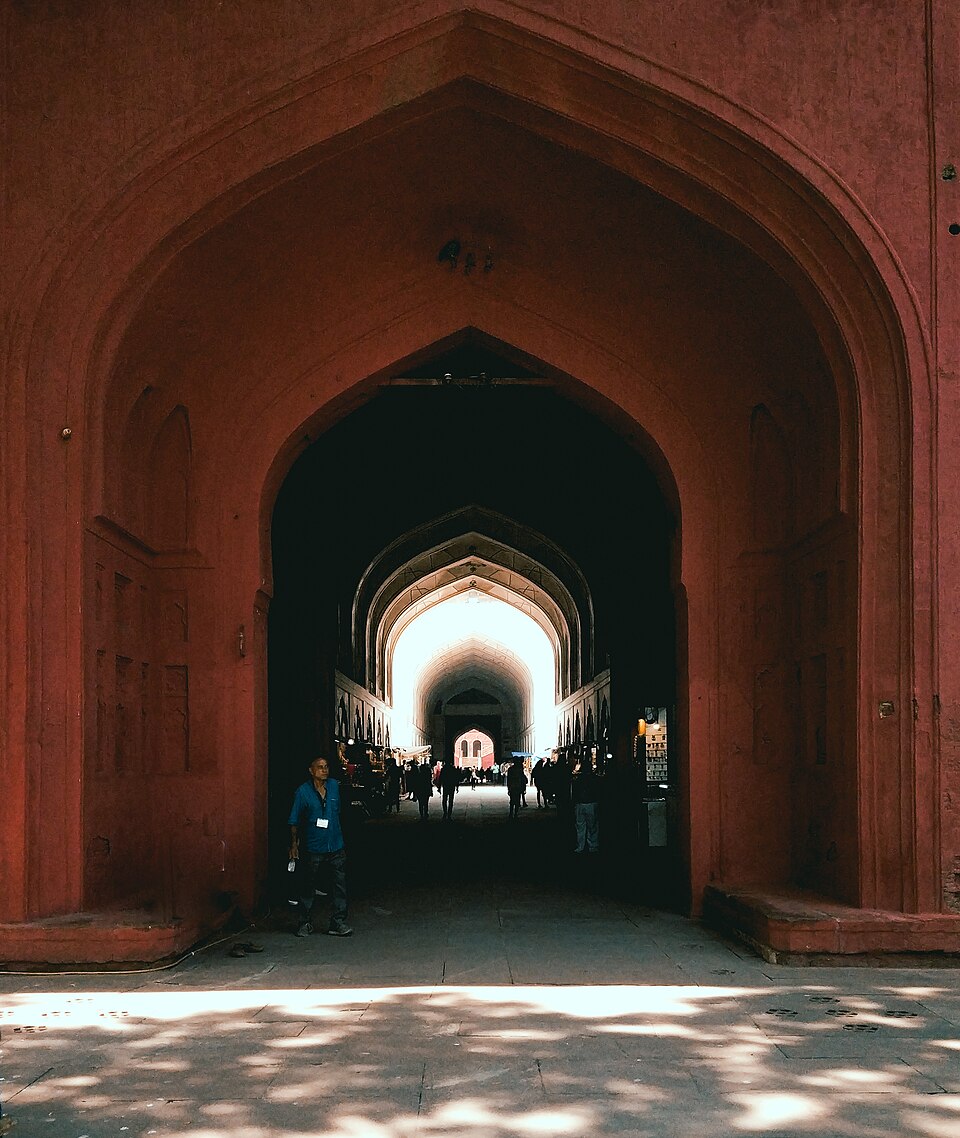
The pretext for the invasion was an insult: the Mughal emperor Muhammad Shah had refused to hand over Afghan rebels who had fled to India. The real reason was plunder. Nadir Shah marched his army of about 55,000 men across the Hindu Kush in the winter of 1738–39, defeated the Mughal army at Karnal, about a hundred kilometres north of Delhi, on 24 February 1739, and entered the capital on 20 March. Muhammad Shah surrendered and was treated, at first, with courtesy. Nadir Shah took the Peacock Throne as his seat, demanded a vast indemnity, and began to strip the treasury. Then, on 22 March, a rumour spread that Nadir Shah had been killed, the people of Delhi rose against his soldiers, and hundreds of Persians were murdered in the streets. Nadir Shah's revenge was terrible: he ordered a general massacre, and for seven hours his soldiers killed indiscriminately. Estimates of the dead range from 20,000 to 30,000, and some accounts say more. The city was then looted systematically for weeks.
How the diamond changed hands
The story of how Nadir Shah got the Kohinoor is one of the most famous anecdotes in the history of jewels, and it is almost certainly untrue — or at least, it is untrue in the form in which it is usually told. The story goes that the Mughal emperor, knowing the diamond was in danger, hid it in the folds of his turban, and that Nadir Shah, who had heard of the stone, proposed an exchange of turbans as a gesture of friendship. Muhammad Shah could not refuse, and when Nadir Shah unwrapped the turban and found the diamond, he cried out "Koh-i-Noor!" — "Mountain of Light!" — and the name stuck. It is a wonderful story. It is also, as historians point out, implausible: the diamond was set in the Peacock Throne, not loose in a turban, and Nadir Shah's men were stripping the treasury systematically, not waiting for a parlour trick. The name "Koh-i-Noor" may well have been given by Nadir Shah, or by someone in his court — the Persian name fits the period — but the turban story is best treated as legend, and this site labels it as such.
What is not legend is the scale of the loot. Nadir Shah's army carried off the Peacock Throne itself — dismantled and packed in pieces — along with the Mughal crown jewels, gold, silver, and jewels worth, by contemporary estimates, hundreds of millions of rupees. The haul was so great that Nadir Shah abolished taxes in Persia for three years on his return. The Peacock Throne was put on display at Herat, and later in Persia, and the Kohinoor went with it. The Mughal Empire never recovered: the treasury was empty, the emperor was a puppet, and the road was open for the next invaders — the Afghans, the Marathas, and eventually the British.
Eight years in Persia
Nadir Shah kept the diamond for eight years, until his assassination in 1747. Those years were not happy ones for Persia. Nadir Shah grew increasingly paranoid and cruel: he blinded his own sons, executed his generals, and taxed his people into rebellion. In June 1747 his own officers murdered him in his tent, and his empire collapsed overnight into a frenzy of looting and murder. In the chaos, the Kohinoor's fate was for a time a mystery. The answer, found in a previously untranslated Afghan source, is that the stone was given to Ahmad Shah Durrani — Nadir Shah's most senior Afghan general — by the first lady of Nadir Shah's harem, as a reward for guarding the harem and fighting off the looters in the aftermath of the assassination. Ahmad Shah took the diamond, along with the Timur ruby, and left for Kandahar, where he founded the Durrani Empire — the state that would become Afghanistan. The Kohinoor remained in Afghanistan for the next seventy years.
The name that stuck
Whatever the truth of the turban story, the name Nadir Shah gave the diamond — or that his court gave it — has lasted nearly three centuries. "Koh-i-Noor" is Persian, and it means "Mountain of Light": koh is mountain, nur is light. The name captures what struck everyone who saw the stone: not its fire, which was famously dull before the 1852 recut, but its size. At about 186 carats it was one of the largest diamonds in the world, and its sheer bulk made it look like a mountain in miniature. The name also marked a change: before 1739 the stone had no single famous name — it was "Babur's diamond", or "the great diamond", or simply part of the Peacock Throne. After 1739 it had a name of its own, and the name travelled with it to Lahore, to London, and into every language on Earth.
| Date | What happened |
|---|---|
| 1688 | Nadir Shah born in north-eastern Persia, son of a shepherd |
| 1736 | Nadir Shah takes the Persian throne |
| 24 Feb 1739 | Battle of Karnal — Nadir Shah defeats the Mughal army |
| 20 Mar 1739 | Nadir Shah enters Delhi; the Peacock Throne is seized |
| 22 Mar 1739 | Massacre in Delhi after a rumour of Nadir Shah's death — 20,000 to 30,000 killed |
| 1739 | The Kohinoor is carried to Persia; the name "Koh-i-Noor" is first used |
| 1747 | Nadir Shah assassinated; the diamond passes to Ahmad Shah Durrani |
Sources: Wikipedia, “Koh-i-Noor” and “Nader Shah”; World History Encyclopedia, “Koh-i-Noor”; Indian Express, “From Golconda to London” and “These 13 crucial events capture the sparkling adventures of the Kohinoor” (Scroll.in); The Hindu, “Secret lives of Indian jewels.” Checked 29 November 2026.