Ownership Controversy: Four Countries, One Diamond, No Agreement
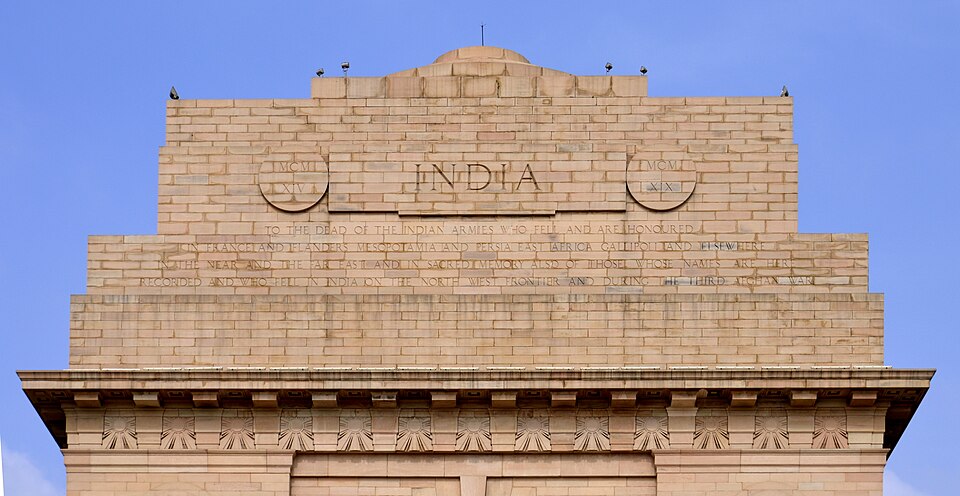
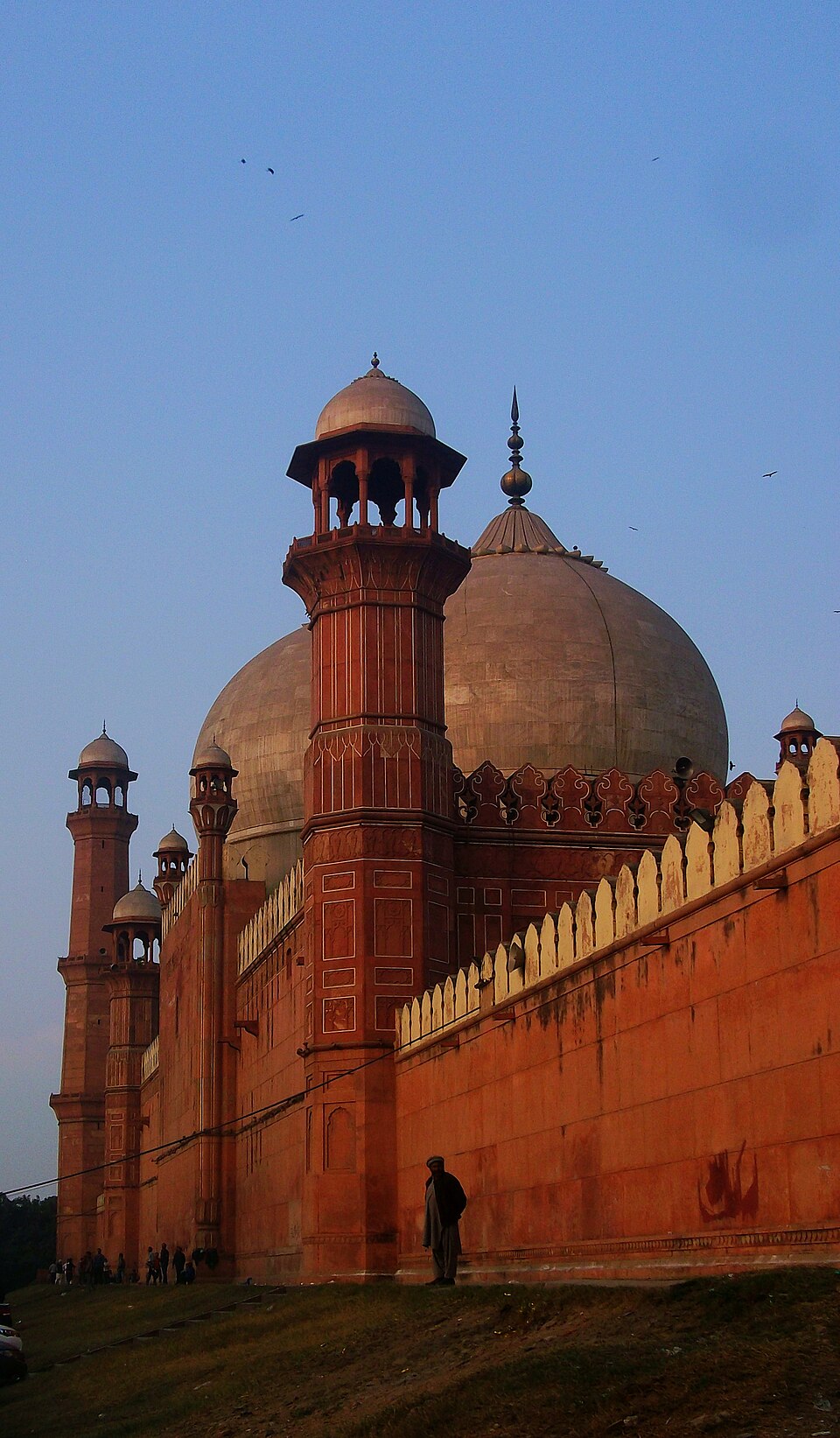
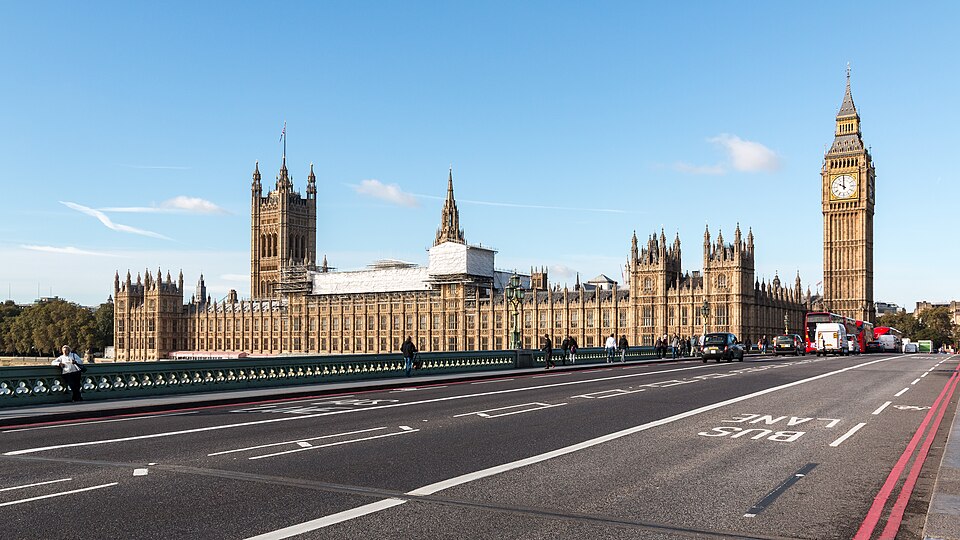
The Kohinoor is the most argued-over object in the British Crown Jewels, and the argument has been going on since 1947. India says it was taken during colonial rule and should come home. Pakistan says it was taken from Lahore, the capital of the Sikh Empire, and should go to Pakistan. Afghanistan says it spent seventy years under the Durrani rulers. Iran says Nadir Shah carried it to Persia. Britain says it was acquired legally under a treaty in 1849, and that the matter is closed. Nobody has won the argument, and nobody is likely to. This guide lays out what each side says — and what this site does not decide.
In short
Four countries have claimed the Kohinoor since Indian independence in 1947: India, Pakistan, Afghanistan, and Iran. India has requested its return repeatedly, most recently in high-profile campaigns around the 2022 death of Queen Elizabeth II and the 2023 coronation. Pakistan asserted ownership in 1976 and again through a court petition in 2016. Afghanistan and Iran have also raised claims. The British government has consistently refused, saying the diamond was obtained legally under the Last Treaty of Lahore in 1849 and belongs to the Crown. No court has settled the question, and no government has changed its position.
India's claim
India's claim is the oldest and the most persistent. The government of India asked for the diamond's return as soon as independence came in 1947, and it asked again in 1953, the year of Queen Elizabeth II's coronation. In 2000, members of both houses of the Indian Parliament signed a letter asking for its return, arguing that it had been taken illegally. In 2009, Tushar Gandhi, the great-grandson of Mahatma Gandhi, said the stone should be returned as "atonement for the colonial past". The argument, in its simplest form, is that the Kohinoor is Indian — it was found in India, it belonged to Indian rulers for centuries, and it left India because of colonial conquest. The counter-argument, made by British officials, is that the stone's history is too tangled for a single modern state to claim it: it was found in what is now India, but it was also held by Persians, Afghans, and Sikhs, and the modern state of India did not exist when it left.
The Indian government's own position has not always been consistent. In April 2016, its lawyer told the Supreme Court that the diamond had been given as a gift to the East India Company by Maharaja Ranjit Singh, and had been "neither stolen, nor forcibly taken" by the British. The statement caused an uproar in India — it contradicted the government's own long-standing position — and it was widely described as unhistorical: Ranjit Singh had spent his life keeping the British out of the Punjab, and he had left the diamond to a temple, not to the Company. The government later clarified its position, and in 2018 the Archaeological Survey of India told the Supreme Court that the diamond was surrendered under the Treaty of Lahore. The episode is a reminder that the ownership question is political as well as historical, and that governments sometimes say different things in court and in public.
Pakistan's claim
Pakistan's claim rests on Lahore. The diamond was taken from Lahore, the capital of the Sikh Empire, and Lahore is now in Pakistan. In 1976, Pakistan formally asserted its ownership of the stone, and the British Prime Minister, James Callaghan, replied to his Pakistani counterpart, Zulfikar Ali Bhutto, in a letter that has been quoted ever since: "I need not remind you of the various hands through which the stone has passed over the past two centuries, nor that explicit provision for its transfer to the British crown was made in the peace treaty with the Maharajah of the Sikh Empire in 1849. I could not advise Her Majesty that it should be surrendered." In 2016, a petition in the Lahore High Court asked for the diamond's return on the same basis — that it was taken from Lahore. The claim has the same difficulty as India's: the Sikh Empire was not Pakistan, and the stone's history runs through many states that no longer exist. But the argument from Lahore is a strong one emotionally, and it is the reason Pakistan's claim is taken seriously.
Afghanistan and Iran
Afghanistan's claim rests on the seventy years the stone spent under the Durrani rulers, from 1747 to 1813. The argument is that the diamond was the property of the Afghan state, and that it left Afghanistan only because Shah Shuja was forced to give it away. Representatives of Afghan governments have raised the claim at various times, and the Taliban have also mentioned it. Iran's claim rests on Nadir Shah: he carried the diamond to Persia in 1739, and it was Persian property for eight years. The claim is weaker than the others — eight years is a short time against centuries — but it is raised from time to time, and the Darya-i-Noor, the Kohinoor's sister stone from the Mughal treasury, is still in Tehran, which gives the Iranian claim a certain symmetry. Neither the Afghan nor the Iranian claim has been pursued as vigorously as India's or Pakistan's, but both are part of the reason British officials talk about a "multiplicity of claims" — the argument that, with four countries claiming the stone, it is impossible to decide which one should have it.
The British position
The British position has not changed since 1849. It is that the diamond was obtained legally, under the terms of the Last Treaty of Lahore, and that it belongs to the Crown. The position was stated most clearly by James Callaghan in 1976, and it has been repeated by every British government since: the treaty was a lawful agreement, the stone was surrendered under it, and the matter is closed. British officials also argue that the Crown Jewels are held in trust for the nation, and that the government cannot simply give part of them away. The position has been criticised — most obviously on the ground that the treaty was imposed on a ten-year-old ruler after a war of annexation — but it has never been abandoned, and no British government has shown any sign of reopening the question.
Why the argument will not end
The argument will not end because it is not really about a diamond. It is about history: about what colonial rule did, about who owes what to whom, and about how the past should be remembered. The Kohinoor is a convenient symbol for that argument, because it is famous, because it is beautiful, and because it is on display in London, where anyone can see it and anyone can ask why it is there. The debate flares up at moments of high symbolism — a coronation, a royal death, a state visit — and then dies down again, because no government wants to be the one that gives the stone away, and no government wants to be the one that admits it cannot get it back. The stone stays in the Tower, the claims stay on the record, and the argument goes on. This site's contribution is to lay out the facts, to report what each side says, and to leave the question open — because it is open, and pretending otherwise would be dishonest.
| Claimant | The basis of the claim | The British reply |
|---|---|---|
| India | Found in India; held by Indian rulers for centuries; taken under colonial rule | Acquired legally under the 1849 treaty; history too tangled for one claimant |
| Pakistan | Taken from Lahore, capital of the Sikh Empire, now in Pakistan | Same reply; the Sikh Empire was not Pakistan |
| Afghanistan | Held by the Durrani rulers for about seventy years | Same reply; the stone left Afghanistan by gift, not theft |
| Iran | Carried to Persia by Nadir Shah in 1739 | Same reply; eight years of Persian ownership |
Sources: Wikipedia, “Koh-i-Noor”; Firstpost, “Camilla to wear Kohinoor crown as Queen: India, other countries' claims to the diamond explained”; Indian Express, “From Golconda to London”; The Hindu, “Secret lives of Indian jewels.” Checked 29 November 2026.