Legacy and Symbolism: Why a Single Stone Still Matters
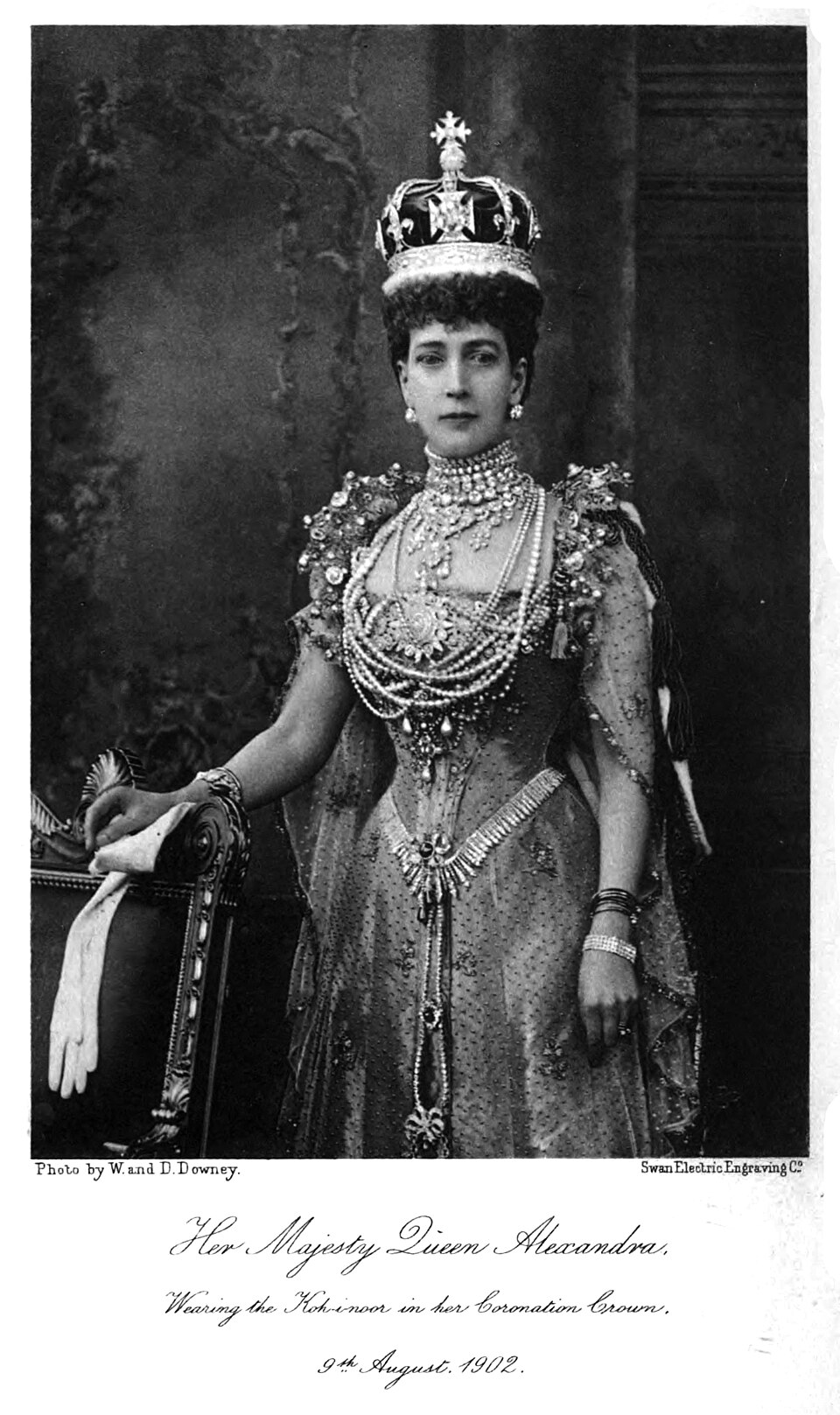
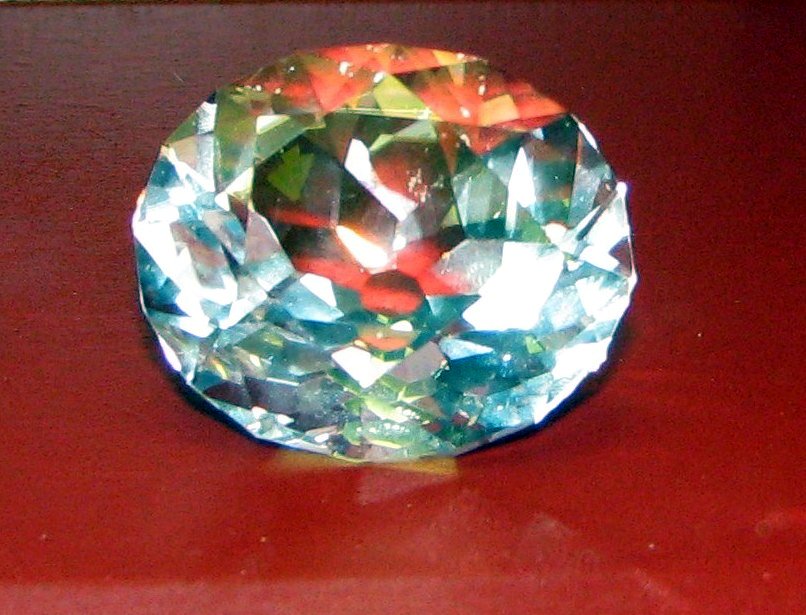
The Kohinoor is a small object — twenty-one grams of carbon, small enough to hold in the palm of your hand — and it has outlived every empire that owned it. The Mughals are gone. The Persians of Nadir Shah are gone. The Durranis are gone. The Sikhs' empire is gone. The British Empire is gone. The stone remains, in a glass case in London, and people still argue about it. This final guide asks why: what the diamond has come to mean, why it matters beyond its weight and its sparkle, and what its story tells us about history itself.
In short
The Kohinoor matters because it is a physical link to seven centuries of history: to the diamond mines of southern India, to the Mughal court, to the sack of Delhi, to the Sikh Empire, and to the British Empire. It is a symbol of sovereignty, of conquest, of colonialism, and of the argument about restitution — all at once. Its legacy is not the stone itself, which is smaller and duller than many diamonds, but the story it carries: a story of how empires rise and fall, and of what happens to their treasure when they do.
A stone that outlived empires
Consider what the Kohinoor has survived. It was found, probably, in the 1100s or 1200s, when the Kakatiya kingdom ruled the Deccan. It passed through the Delhi Sultanate, the Mughal Empire, the Persian Empire of Nadir Shah, the Durrani Empire, the Sikh Empire, and the British Empire — six empires, each of which believed itself permanent, each of which is now gone. The stone is the only witness to all of them that is still here, still physical, still visible. That is a large part of its power: it is not a document, or a painting, or a ruin. It is the thing itself, the same object that Babur wrote about, that Shah Jahan set in his throne, that Ranjit Singh wore on his arm, and that Queen Victoria pinned to her dress. To look at it is to look at seven hundred years of history in a single glance.
The stone has also survived its own destruction. It was recut in 1852, losing almost half its weight, and the original stone — the one the Mughals knew — no longer exists. What sits in the Tower is a Victorian remaking of an Indian stone. And yet the remade stone carries the same history, because history is not in the facets. It is in the story, and the story survived the cutting. The Kohinoor is a reminder that objects outlive the people who make them, and that the meaning of an object is not fixed: it changes with every owner, every century, and every argument about where it belongs.
What the diamond has come to mean
The Kohinoor means different things to different people, and that is why it is still argued about. To many in India, it is a symbol of what was taken during colonial rule, and its return would be an act of justice. To many in Pakistan, it is a symbol of Lahore and the Sikh Empire, and its return would recognise a history that is often forgotten. To many in Britain, it is a part of the Crown Jewels, a piece of national heritage, and a reminder of a history that is complicated but cannot be undone. To historians, it is a case study in how objects move through history, and how the same object can be a treasure, a symbol, a spoil of war, and a diplomatic problem, all at once. None of these meanings is wrong. All of them are true, from a certain point of view — and that is the problem, and the fascination, of the stone.
The diamond has also become a symbol in a wider argument: the argument about restitution. Across Europe and North America, museums are being asked to return objects taken during the colonial period — the Benin Bronzes, the Parthenon Marbles, the Kohinoor. The arguments are different in each case, but the underlying question is the same: who owns the past, and who gets to decide? The Kohinoor is the most famous test of that question, because it is the most famous object, and because the answer is not obvious. It was found in India, but it was held by many peoples. It was surrendered under a treaty, but the treaty was imposed on a child. It is in the Crown Jewels, but the Crown Jewels are held in trust for the nation. There is no simple answer, and the guides on this site have not offered one.
In books, in films, in the imagination
The Kohinoor has also lived a second life in the imagination. It appears in Agatha Christie's 1925 detective novel The Secret of Chimneys, where it is stolen from the Tower of London by a Parisian gang and hidden in a country house. It appears in countless other novels, films, and television programmes, usually as the ultimate jewel — the thing everyone wants and no one can keep. It is mentioned in songs, in jokes, and in political speeches. It has become a byword for something impossibly precious and impossibly contested, and its name is known to people who have never seen a diamond and never will. That fame is part of its legacy too: the stone is famous not only for what it is, but for what it represents, and what it represents is different in Delhi, in Lahore, in Kabul, in Tehran, and in London.
The story is not over
The Kohinoor's story is not over. The stone sits in the Tower, the claims sit on the record, and the argument goes on. The 2023 coronation showed that the stone's status is changing, even if its location is not: a crown that was once worn with pride is now too sensitive to wear. The Tower's displays now say more about how the stone arrived than they used to. The debate about restitution is growing, not shrinking, and the Kohinoor is at the centre of it. The stone may yet move again — to Delhi, to Lahore, to a museum, to a temple — or it may stay where it is for another hundred years. Nobody knows. What is certain is that, whatever happens, the story will be told, and retold, and argued about, for as long as the stone exists. It has outlived six empires. It will outlive this argument too.
What to remember
If you remember five things from this site, remember these. The Kohinoor was probably found in the Golconda mines of southern India, between 1100 and 1300, but nobody can prove exactly when or where. It was the jewel of the Mughal emperors for more than two centuries, set in the Peacock Throne, until Nadir Shah took it in the sack of Delhi in 1739. It came to the Sikhs in 1813, and to the British in 1849, under a treaty signed by a ten-year-old maharaja. It was recut in 1852 from about 186 carats to 105.6 carats, and it has been set in four queens' crowns, the last of them made in 1937. And it is claimed today by India, Pakistan, Afghanistan, and Iran, while Britain says the treaty of 1849 settled the question. Everything else — the curse, the turban, the goddess's eye — is legend. The facts are extraordinary enough without them.
| Era | Owner | Years |
|---|---|---|
| Found, Golconda / Kollur | Unknown | 1100–1300 (probably) |
| Delhi Sultanate | Various rulers | 1300s–1526 (disputed) |
| Mughal Empire | Babur to Muhammad Shah | 1526–1739 |
| Persia | Nadir Shah | 1739–1747 |
| Durrani Empire (Afghanistan) | Ahmad Shah Durrani and successors | 1747–1813 |
| Sikh Empire | Ranjit Singh and successors | 1813–1849 |
| British Crown | Victoria to Charles III | 1849–today |
Sources: Wikipedia, “Koh-i-Noor”; World History Encyclopedia, “Koh-i-Noor”; Encyclopaedia Britannica, “Koh-i-noor diamond”; Firstpost, “Camilla to wear Kohinoor crown as Queen.” Checked 29 November 2026.