The Kohinoor Today: Where It Is, How to See It, and What Happened in 2023
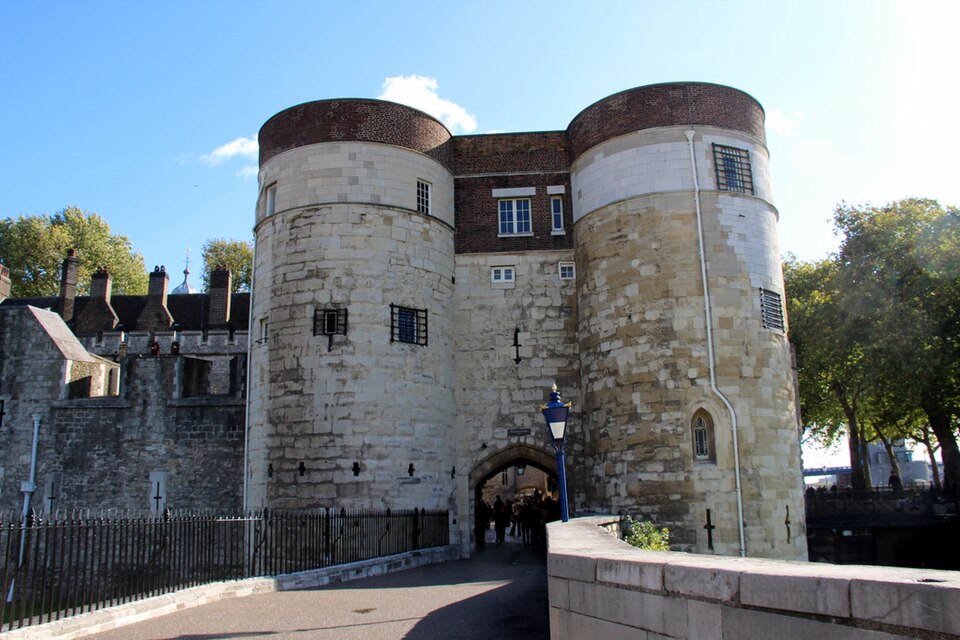
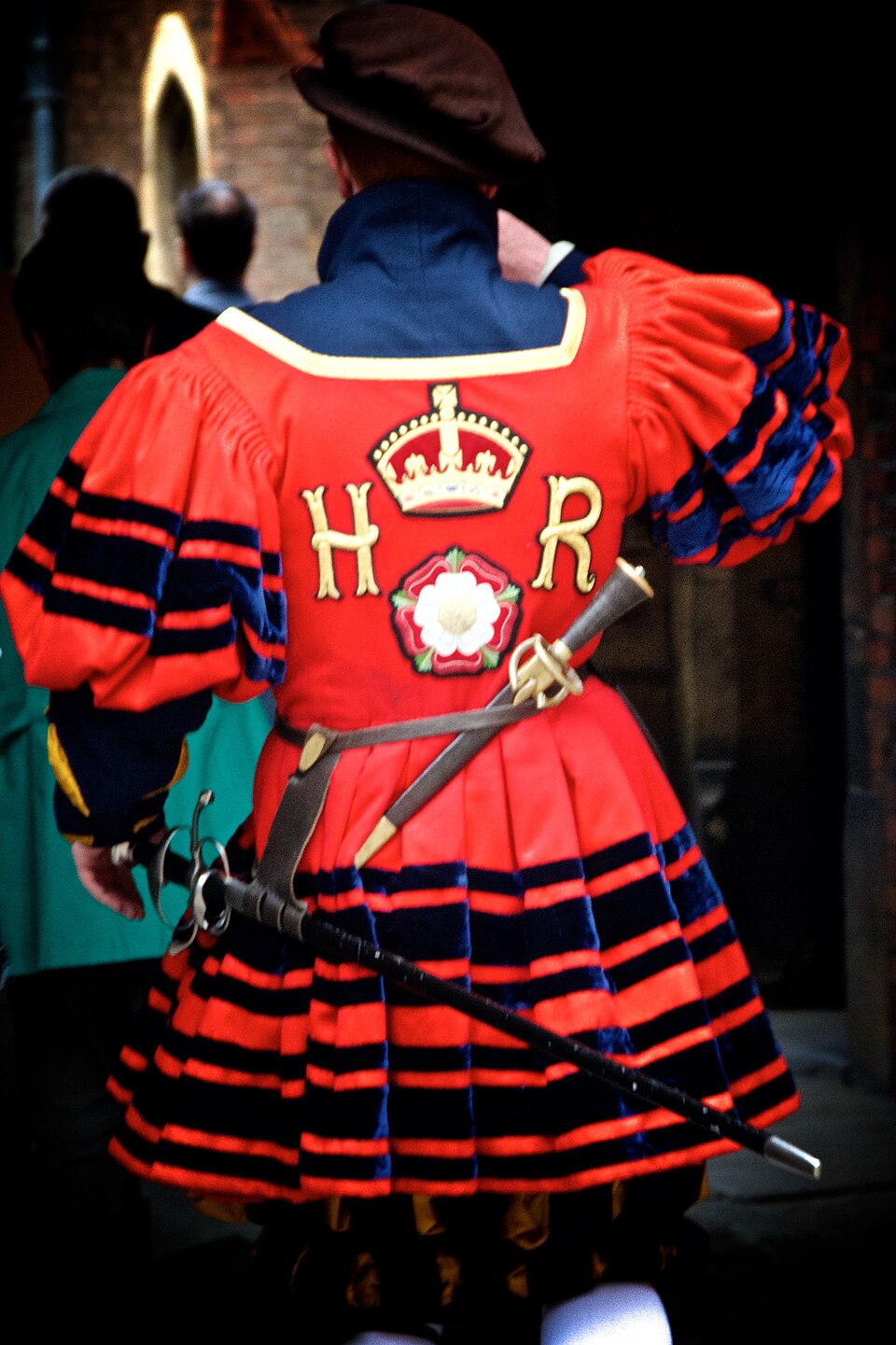

If you want to see the Kohinoor, you can. It is on public display in the Jewel House at the Tower of London, set in the front of the Crown of Queen Elizabeth the Queen Mother, and millions of people file past it every year. But seeing it is not quite the same as it used to be. The crown is behind glass, the visitors move on a walkway, and the label next to it now says more about how the stone got to London than it did a generation ago. And at the last coronation, the crown stayed in its case. This guide explains where the diamond is today, how to see it, and what its present tells us about its future.
In short
The Kohinoor is set in the Crown of Queen Elizabeth the Queen Mother, on display in the Jewel House at the Tower of London. The crown is made of platinum, carries about 2,800 diamonds, and has the Kohinoor set in the front in a detachable mount. The Crown Jewels are open to the public: the Tower is open daily, and the Jewel House is part of the standard visit. At the coronation of Charles III on 6 May 2023, Queen Camilla did not wear the Queen Mother's crown. She wore the Crown of Queen Mary, reset with other diamonds, and the Kohinoor stayed on display.
Where it is
The diamond is in the Jewel House, in the Waterloo Block at the Tower of London, on the north bank of the River Thames. The Crown Jewels — the crowns, sceptres, orbs, and ceremonial plate used at coronations — are displayed there in a purpose-built exhibition, and visitors move through it on a walkway that carries them past the cases. The Crown of Queen Elizabeth the Queen Mother is one of the highlights: a platinum crown, made for the coronation of George VI in 1937, with the Kohinoor set in the front. The stone is in a detachable mount, which means it can be removed from the crown without disturbing the setting — a practical detail, and a reminder that the stone has been moved from crown to crown four times already.
The Tower of London itself is one of the most visited historic sites in Britain, and the Crown Jewels are its most popular attraction. The Tower is open every day except 24–26 December and 1 January, and the Jewel House is included in the standard admission. Visitors are not allowed to take photographs inside the Jewel House, and the crowns are behind thick glass, so the Kohinoor is seen at a distance, through glass, in a crowd. It is not an intimate encounter with a diamond. It is a glimpse of a famous object, in a famous place, with a famous history — and for most visitors, that is enough.
The 2023 coronation
The most recent chapter in the diamond's public life came at the coronation of Charles III on 6 May 2023. For months beforehand, there was speculation about whether Queen Camilla would wear the Crown of Queen Elizabeth the Queen Mother — the crown that holds the Kohinoor — as queens consort traditionally wear the crown made for their predecessor. In the end, she did not. Buckingham Palace announced that she would wear the Crown of Queen Mary, made in 1911, reset with diamonds from Queen Elizabeth II's collection — the Cullinan III, IV, and V — instead of the Kohinoor. The decision was widely understood as a diplomatic one: wearing the Kohinoor at a coronation watched around the world would have revived the ownership argument at the worst possible moment, and the Palace chose to avoid it.
The decision was also a first. No queen consort had ever worn another queen's crown at a coronation before, and the choice was presented as a tribute to sustainability and tradition. But the subtext was clear to everyone who followed the story: the Kohinoor has become too controversial to wear. The crown stayed in the Jewel House, and the coronation went ahead without it. Whether the stone will ever be worn again is an open question, and the answer will depend on politics as much as on tradition.
What the label says
The way the Tower presents the Kohinoor has changed. A generation ago, the label next to the crown said little about how the stone arrived in Britain. Today, the displays and the Tower's website say more: they describe the stone's journey from India, through Persia, Afghanistan, and the Punjab, and they note that it was surrendered under the Treaty of Lahore in 1849. The change reflects a wider shift in how British museums present objects acquired during the colonial period — more context, more honesty about how things arrived, and more acknowledgement that the story is disputed. The Tower has not returned the stone, and it has not said it will, but it has stopped pretending that the question does not exist.
The change is part of a larger conversation about restitution — the return of objects taken during colonial rule — that has touched museums across Europe and North America. The Benin Bronzes, the Parthenon Marbles, and the Kohinoor are the most famous cases, and they are argued about in the same terms: who owned the object, how it left, and whether it should go back. The Kohinoor is unusual among them because it is not in a museum but in the Crown Jewels, which are held in trust for the nation and are not, in the ordinary sense, museum objects at all. That makes its return harder, legally and politically, than the return of a museum piece — and it is one reason the argument has lasted so long.
Will it ever leave the Tower?
Nobody knows. The British government has shown no sign of returning the stone, and no claimant has taken the matter to an international court. The most likely future, for now, is the present one: the diamond stays in the Jewel House, the claims stay on the record, and the argument flares up at moments of high symbolism and then dies down again. But the 2023 coronation showed that the stone's status is changing, even if its location is not: a crown that was once worn with pride is now too sensitive to wear. The Kohinoor's journey may not be over. It has outlived the Mughals, the Persians, the Durranis, and the Sikhs; it may yet outlive the argument about where it belongs.
| Question | Answer |
|---|---|
| Where is the Kohinoor? | In the Crown of Queen Elizabeth the Queen Mother, Jewel House, Tower of London |
| Can the public see it? | Yes — the Jewel House is open daily as part of a visit to the Tower (no photography inside) |
| Who owns it? | Charles III in right of the Crown; ownership disputed by India, Pakistan, Afghanistan, and Iran |
| Was it worn at the 2023 coronation? | No — Queen Camilla wore Queen Mary's crown, reset with other diamonds |
| What is it worth? | Not known; the stone is not for sale and has no agreed value |
Sources: Wikipedia, “Koh-i-Noor”; Firstpost, “Camilla to wear Kohinoor crown as Queen”; Historic Royal Palaces, Tower of London visitor information; World History Encyclopedia, “Koh-i-Noor.” Checked 29 November 2026.