The British Acquisition: The Treaty of Lahore and the Voyage to London
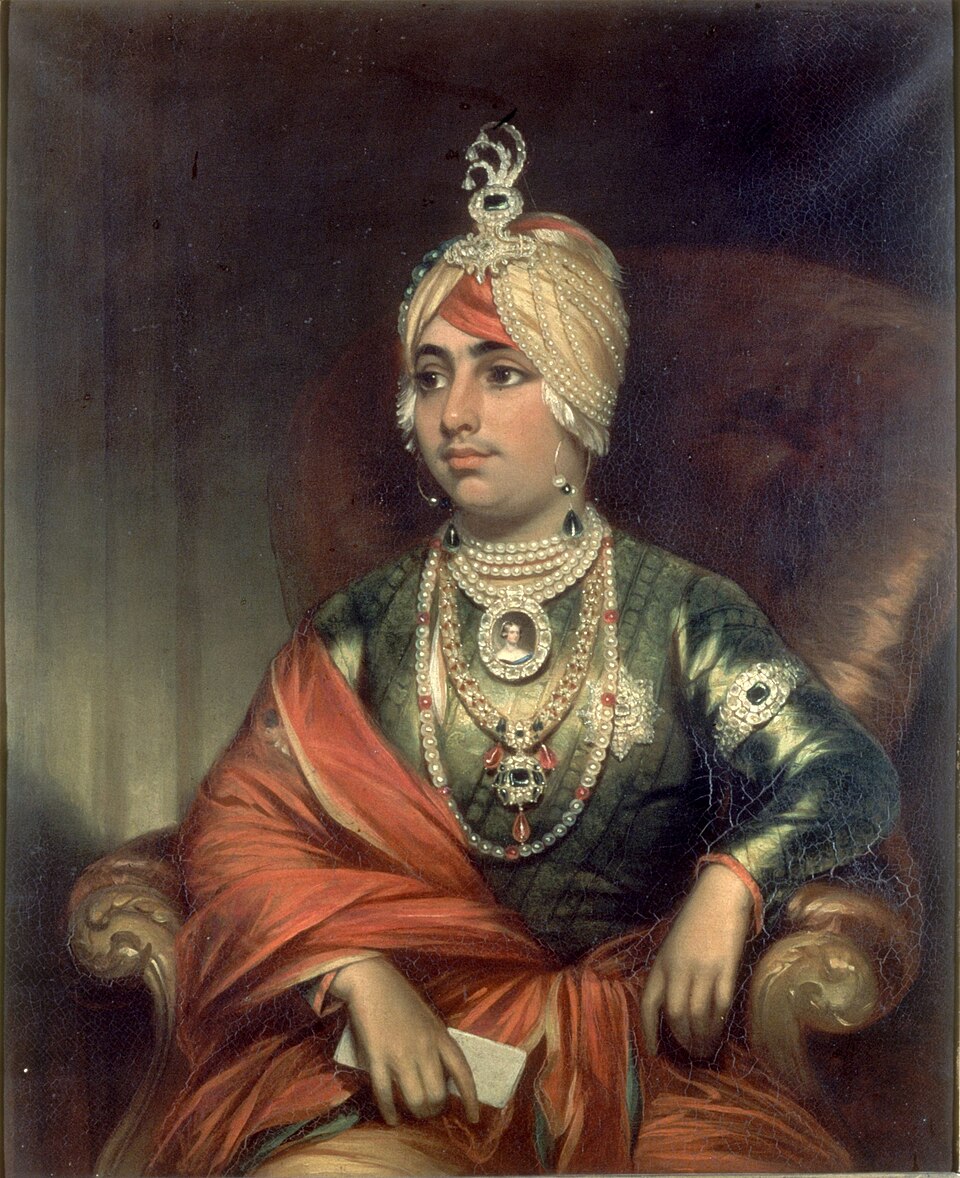
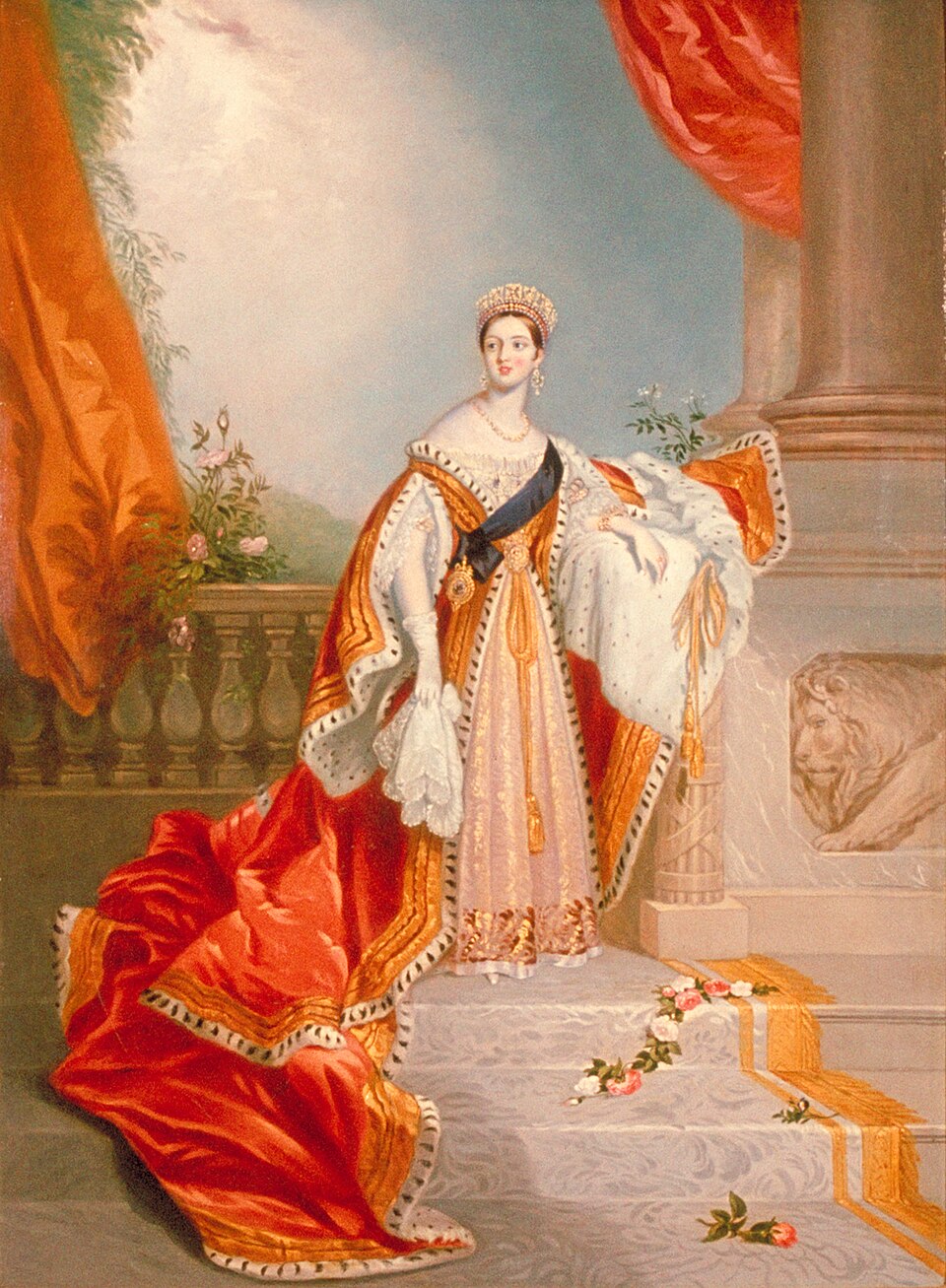
On 29 March 1849, a ten-year-old boy was brought into the mirrored throne room of Lahore Fort and made to sign away his kingdom and its most famous jewel. The boy was Maharaja Duleep Singh, the last ruler of the Sikh Empire, and the document was the Last Treaty of Lahore. One of its clauses said, in plain words, that the gem called the Kohinoor "shall be surrendered by the Maharajah of Lahore to the Queen of England". Within a year the diamond was in London. It has been there ever since — and the question of whether that surrender was a lawful treaty or a theft from a child has been argued ever since.
In short
After the Second Anglo-Sikh War (1848–49), the British East India Company annexed the Punjab. Under the Last Treaty of Lahore, signed on 29 March 1849, the ten-year-old Maharaja Duleep Singh surrendered the Kohinoor to Queen Victoria. The diamond was taken to Britain aboard HMS Medea, arriving at Plymouth in June 1850, and was presented to the Queen at Buckingham Palace on 3 July 1850. The British government has always maintained that the stone was acquired legally under the treaty. Critics — including many historians — point out that the treaty was imposed on a child ruler after a war of annexation, and that Duleep Singh had no power to refuse.
The fall of the Sikh Empire
Ranjit Singh's death in 1839 left the Sikh Empire without a leader strong enough to hold it together. His successors were murdered one after another — his son Kharak Singh, his grandson Nau Nihal Singh, his son Sher Singh — and the army, the Khalsa, became a power in its own right, dictating terms to the court. The British, who had kept the peace with Ranjit Singh for thirty years, saw their chance. The First Anglo-Sikh War (1845–46) ended with a British victory and a treaty that stripped the Punjab of territory and imposed a British Resident at Lahore. The Second Anglo-Sikh War (1848–49) finished the job: after the battles of Chillianwala and Gujrat, the Sikh army was broken, and on 29 March 1849 the Governor-General, Lord Dalhousie, proclaimed the annexation of the Punjab. The kingdom was no more, and its ten-year-old maharaja was a prisoner of the Company.
Duleep Singh was the youngest son of Ranjit Singh, and he had come to the throne as a child of five after the murder of his half-brothers. He was eleven, by some accounts, or ten, by others, when the treaty was put before him in the Shish Mahal, the mirrored throne room of Lahore Fort. The treaty did more than annex his kingdom: its third article dealt specifically with the diamond. It read: "The gem called the Kohinoor, which was taken from Shah Shuja-ul-Mulk by Maharaja Ranjit Singh, shall be surrendered by the Maharajah of Lahore to the Queen of England." The wording was deliberate. By naming Shah Shuja as the stone's previous owner, the British were presenting the transfer as the return of a jewel that had itself been taken by force — a neat piece of legal framing, and one that ignored the fact that Ranjit Singh had held the stone for thirty-six years and that Duleep Singh was a child who had no say in the matter.
A gift or a seizure?
The question of whether the Kohinoor was given or taken has been argued ever since, and the argument matters because the British case for keeping the stone rests on it. The British position, stated consistently since 1849, is that the diamond was surrendered under a lawful treaty, and that the treaty settled the question. The Indian government's position has shifted over time: in 2016, its lawyer told the Supreme Court that the stone had been a gift to the East India Company and was "neither stolen, nor forcibly taken" — a statement that was widely criticised in India as unhistorical, and which the government later rowed back from. In 2018 the Archaeological Survey of India clarified before the same court that the diamond was surrendered under the treaty. Historians such as William Dalrymple have argued, bluntly, that the 2016 statement was wrong: Ranjit Singh had spent his life keeping the British out of the Punjab, and he had left the diamond to a temple, not to the Company. The British got the stone, in this view, only by taking advantage of the anarchy that followed Ranjit Singh's death.
This site does not decide the question. It reports the treaty, reports what each side says, and leaves the reader to judge. What can be said as fact is this: the treaty was signed by a child ruler after his kingdom had been defeated in war and annexed; the diamond was then taken to Britain; and no payment was made for it. Whether that amounts to a lawful transfer or a seizure is a matter of law, politics, and perspective — and it is the heart of the ownership dispute, which is covered in its own guide.
The voyage to London
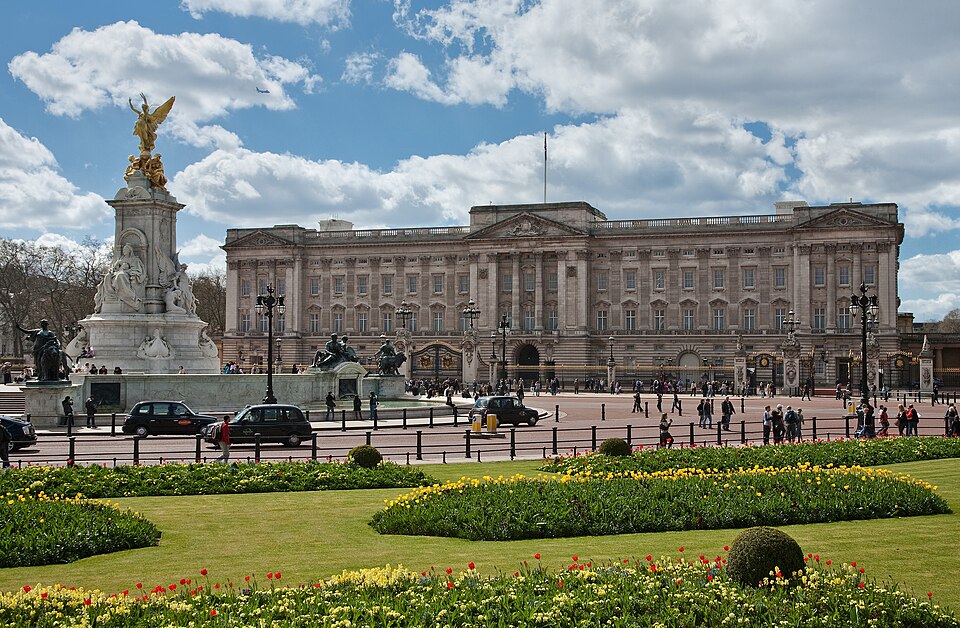
The diamond's journey to Britain was almost a disaster. It was entrusted to HMS Medea, a steam frigate, which sailed from Bombay in 1850 with the stone locked in an iron chest. The ship ran into a violent storm off the Cape of Good Hope and nearly sank; the crew spent hours pumping water, and the chest was carried from cabin to cabin as the ship rolled. The Medea limped into Plymouth in June 1850, and the diamond was spirited away on a special train to London, where it was kept at the East India Company's headquarters on Leadenhall Street. On 3 July 1850 — the 250th anniversary of the East India Company's charter — it was presented to Queen Victoria at Buckingham Palace by John Lawrence, the administrator who had taken charge of the Punjab, and the Company's deputy chairman. Duleep Singh himself was brought to England a few years later, converted to Christianity, and lived the rest of his life as a country gentleman in Norfolk — a king without a kingdom, whose most famous possession was on display in London.
What London thought of it
London was disappointed. The diamond was put on display at the Great Exhibition of 1851, in the Crystal Palace in Hyde Park, where millions of people came to see the wonders of the industrial world. But the Kohinoor, under the gaslight of the exhibition hall, looked dull and grey. It had been cut in the old Indian style, with a flat top and few facets, and it did not sparkle the way a European-cut diamond did. Visitors complained that it looked like a piece of glass. Prince Albert, the Queen's husband, decided that the stone had to be recut in the modern brilliant style, even though the recut would remove almost half its weight. The decision, and the recut itself, are the subject of the next guide — but the disappointment of 1851 is worth remembering, because it shows that the diamond's fame had already outgrown the stone itself. People came to see the Kohinoor not because it was beautiful, but because it was the Kohinoor.
| Date | What happened |
|---|---|
| 1845–1846 | First Anglo-Sikh War; the Punjab loses territory and accepts a British Resident |
| 1848–1849 | Second Anglo-Sikh War; the Sikh army is defeated at Chillianwala and Gujrat |
| 29 Mar 1849 | Last Treaty of Lahore — Duleep Singh surrenders the Kohinoor to Queen Victoria; the Punjab is annexed |
| Jun 1850 | HMS Medea brings the diamond to Plymouth after a stormy voyage |
| 3 Jul 1850 | The diamond is presented to Queen Victoria at Buckingham Palace |
| 1851 | Displayed at the Great Exhibition; disappoints visitors under gaslight |
Sources: Wikipedia, “Koh-i-Noor” and “Duleep Singh”; World History Encyclopedia, “Koh-i-Noor”; Indian Express, “From Golconda to London”; Scroll.in, “These 13 crucial events capture the sparkling adventures of the Kohinoor.” Checked 29 November 2026.